
Sleep is not a luxury add-on to studying—it is part of how your brain stores what you practiced. This post skips guilt and focuses on swaps that fit real schedules: less phone in bed, more predictable wake times, and knowing when to stop “just one more chapter.”
Small upgrades compound: fifteen fewer minutes of scrolling might become fifteen more minutes of actual sleep, which can be the difference between catching a careless error on a math test and misreading an entire prompt.
Sleep and memory
When you sleep, your brain consolidates patterns from the day—vocabulary, procedures, problem steps. Cutting sleep to cram often trades tomorrow’s performance for tonight’s false confidence. You might feel like you “covered more,” but recall and careful reading both suffer when you are running on fumes.
- Minimum viable sleep: if you cannot get eight hours, protect a consistent wake time; groggy irregularity hurts focus in class too.
- Protect the last hour: dim lights, slower tasks, no brand-new hard topics right before bed.
Screens without sabotage
- Charge the phone across the room—not on the nightstand—if “quick checks” steal an hour.
- Night mode helps a little, but time off the device helps more than any blue-light setting.
- If you study on a tablet, switch to paper flashcards or voice recap for the last 15 minutes using our Flashcards on desktop earlier in the evening, then close the tab.

The night before a test
Prefer review you already trust over brand-new content. Skim your summary sheet, walk through two representative problems, and quiz weak terms once. If anxiety spikes, write a “worry list” on paper—literally park the thoughts—then set a single priority for the morning.
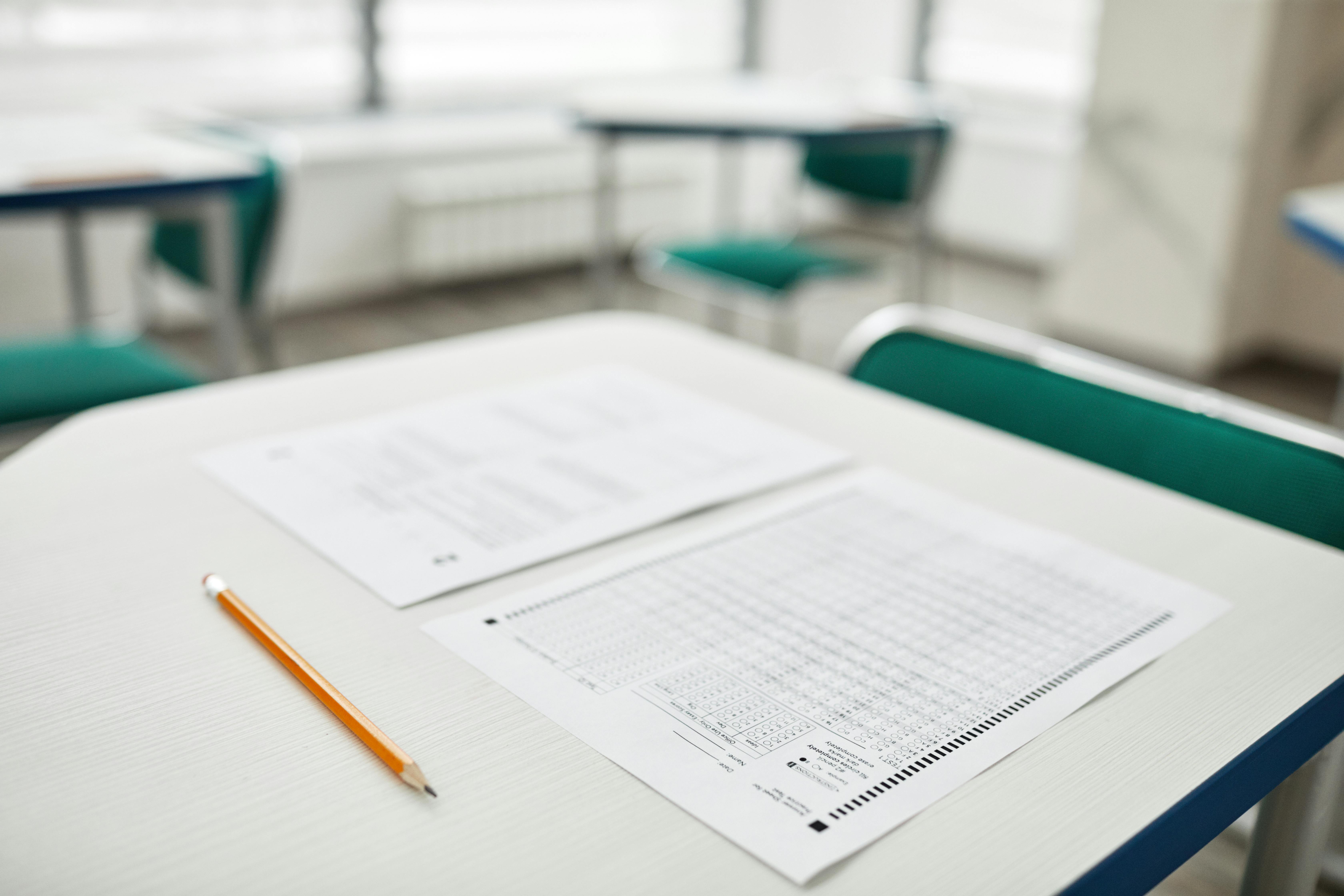
Test morning
Eat something with protein and carbs, hydrate, and arrive with one physical page of reminders (formulas you know you confuse). Avoid comparing notes with friends in the hallway; last-minute doubt is contagious. Trust the sleep you got and the practice you already finished.
When you truly get little sleep
Life happens—jobs, babies, anxiety, early buses. If you are short on hours, prioritize consistent wake time over perfect bedtime once in a while. Keep caffeine early, hydrate, and lean on retrieval practice instead of brand-new reading so you are not stacking novelty on top of fatigue.
Plan a lighter afternoon if possible, and avoid double all-nighters; the second night has steep returns. Tell a trusted adult if chronic insomnia appears so you are not self-treating serious sleep issues alone.
Naps before tests
Short naps (fifteen to twenty minutes) can restore alertness without grogginess if you wake before deep sleep kicks in. Late-day long naps can steal night sleep—avoid them the evening before an early exam. If you nap, set an alarm and get daylight afterward so your rhythm stays anchored.
Weekend recovery sleep helps after a brutal week, but it cannot fully undo months of chronic deprivation. Think of sleep as part of study efficiency: protecting seven-ish hours on regular school nights does more for quiz averages than heroic Sunday catch-ups that leave you jet-lagged on Monday.
If stress dreams spike during exams, keep a notepad by the bed for one-line reminders instead of opening your phone at 2 a.m. That tiny habit keeps your night calmer and your morning clearer.
FAQ
How much sleep do teens need?
Many guidelines suggest eight to ten hours for adolescents, but individual needs vary. If you wake unrested after adequate time in bed, consider sleep hygiene and medical factors—not just “try harder.”
Do melatonin apps replace sleep discipline?
Apps can remind you to wind down; they cannot replace consistent schedules. Treat tech as a nudge, not a cure.
Is studying in bed always bad?
For heavy focus, a desk is better so your brain separates sleep and work cues. Light review propped on a pillow occasionally is fine if sleep onset is not affected.
What about weekend sleep-ins?
One extra hour is reasonable; huge shifts can worsen Monday grogginess. Gradual adjustments beat jet-lagging yourself every weekend.
Can exercise replace sleep?
Exercise improves mood and some cognitive skills, but it does not substitute for sleep’s memory consolidation. Do both when you can.
I scroll until 2 a.m. from stress—what now?
Try charging outside the bedroom, replacing phone alarm with a cheap clock, and writing tomorrow’s top worry on paper before lights out so your brain trusts it is parked.
Photo: Pexels — person resting in bed.